
Common Symptoms of a Failing Furnace System: How to Identify and Act Early
A failing furnace can lead to discomfort and increased energy bills, making it essential to recognize the signs early. This article will guide you through the common symptoms of a failing furnace system, helping you identify issues before they escalate. Understanding these symptoms not only aids in maintaining a comfortable home environment but also ensures the longevity of your heating system. We will explore various indicators, including heating inefficiencies, unusual noises, pilot light problems, and cycling issues. By the end of this article, you will be equipped with the knowledge to act promptly and effectively when faced with furnace troubles. Early intervention can save you from costly repairs and prevent unexpected breakdowns during the coldest times of the year.
The systematic detection and diagnosis of HVAC system symptoms are critical for maintaining optimal performance and energy efficiency, as highlighted by various research in the field. Proactive monitoring and maintenance can extend the life of your furnace and improve indoor air quality, contributing to a healthier living environment.
HVAC System Symptom Detection & Diagnosis
This paper presents a comprehensive review of P&ID-based symptom detection methods for energy diagnosis in heating, ventilation and air conditioning (HVAC) systems. The proposed framework categorizes symptoms and faults into a structured approach (e.g., four types of symptom and three types of faults) framework. A set of generic rules is then developed to identify these symptoms and faults.
P&ID-based symptom detection for automated energy performance diagnosis in HVAC systems, L Itard, 2020
What Are the Most Common Signs Your Furnace Is Not Heating Properly?
Identifying signs that your furnace is not heating properly is crucial for timely intervention. Common symptoms include inadequate heating, strange noises, and fluctuating temperatures. These issues can indicate underlying problems that, if left unaddressed, may lead to complete system failure. Early detection allows for effective troubleshooting and repair, ensuring your home remains warm and comfortable during colder months. Additionally, recognizing these signs early can help you avoid emergency repair costs and improve your furnace’s overall energy efficiency.
For residents in Van Buren and Fort Smith, AR, Tom’s Heat and Air Conditioning specializes in diagnosing and repairing furnace repair services, ensuring your furnace operates efficiently. Their experienced technicians provide thorough inspections and reliable repairs to keep your home safe and warm throughout the heating season.
How Does Furnace No Heat Indicate Heat Exchanger or Blower Motor Issues?
When your furnace fails to produce heat, it may signal problems with the heat exchanger or blower motor. A malfunctioning heat exchanger can prevent warm air from circulating properly, while a faulty blower motor may fail to push air through the ducts effectively. Recognizing these signs early can prevent further damage and costly repairs. Moreover, a damaged heat exchanger can pose safety risks such as carbon monoxide leaks, making prompt diagnosis and repair essential for your household’s safety.
What Does Furnace Blowing Cold Air Reveal About System Failures?
If your furnace is blowing cold air, it could indicate several issues, including a malfunctioning thermostat, blocked ducts, or a failed ignition system. Troubleshooting these problems involves checking the thermostat settings, inspecting ductwork for obstructions, and ensuring the ignition system is functioning correctly. Addressing these issues promptly can restore your furnace’s efficiency and comfort in your home. Ignoring cold air blowing can lead to increased energy consumption as the system works harder to heat your space, resulting in higher utility bills.
Why Is My Furnace Making Strange Noises and What Do They Mean?
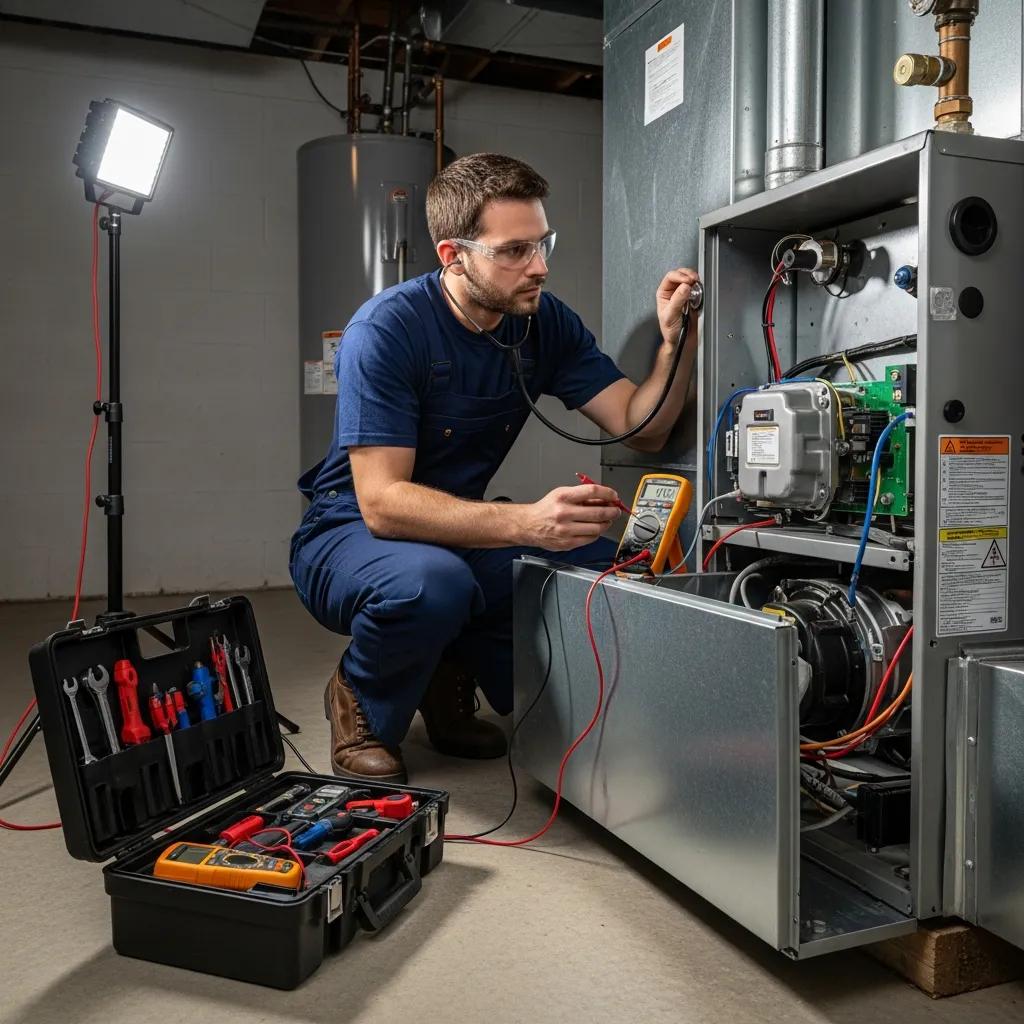
Strange noises from your furnace can be alarming and often indicate mechanical or electrical problems. Understanding the types of noises can help you diagnose the issue and determine whether professional assistance is needed. Common sounds include banging, rattling, and squealing, each suggesting different underlying problems. Timely attention to these noises can prevent minor issues from escalating into major system failures, saving you time and money in the long run.
Which Furnace Noises Signal Mechanical or Electrical Problems?
Mechanical issues often produce distinct sounds. For instance, banging noises may indicate loose components, while squealing sounds can suggest a worn-out belt. Electrical problems might manifest as humming or buzzing noises, indicating issues with the motor or electrical connections. Identifying these sounds early can help prevent more significant issues and costly repairs. Additionally, some noises may signal safety concerns, such as electrical shorts or overheating, which require immediate professional evaluation.
How Can Noise Symptoms Guide Troubleshooting and Repair Decisions?
When faced with unusual furnace noises, it’s essential to document the sounds and their frequency. This information can assist technicians in diagnosing the problem more effectively. If the noises persist, it may be time to schedule a service appointment with a qualified HVAC technician to ensure your system operates safely and efficiently. Keeping a log of when the noises occur, such as during startup or shutdown, can provide valuable clues to the root cause and help prioritize repairs.
What Are Common Furnace Pilot Light Issues and How Do They Affect Performance?
Pilot light issues can significantly impact your furnace’s performance. A steady pilot light is crucial for the furnace to operate correctly, and any fluctuations can indicate problems that need immediate attention. Understanding these issues can help you maintain a reliable heating system. Inconsistent pilot light operation can also lead to increased gas consumption and potential safety hazards, making regular checks vital.
How Does a Pilot Light Problem Cause Furnace Failure Symptoms?
A pilot light that frequently goes out can signal a faulty thermocouple, a dirty pilot light, or a gas supply issue. These problems can prevent the furnace from igniting, leading to heating failures. Regular maintenance and inspections can help identify and resolve pilot light issues before they escalate. Additionally, a malfunctioning pilot light can cause the furnace to cycle on and off erratically, reducing overall system efficiency and comfort.
When Should You Schedule Service for Pilot Light Troubleshooting?
If you notice your pilot light going out frequently, it’s essential to schedule service promptly. Ignoring this issue can lead to more severe problems, including complete furnace failure. Regular maintenance checks can help ensure your pilot light and overall system function correctly. Scheduling service before the heating season begins can prevent unexpected breakdowns and ensure your furnace is ready to perform when needed most.
How to Recognize Furnace Cycling On and Off: Causes and Solutions
Frequent cycling of your furnace can indicate underlying issues that need addressing. Understanding the causes of this behavior is crucial for maintaining an efficient heating system. Common reasons for cycling include thermostat malfunctions, dirty filters, or issues with the blower motor. Addressing these causes promptly can improve comfort levels and reduce wear on your furnace components.
Understanding the diagnostic procedures for fuel-fired furnace cycling is essential, as the frequency and duration of these cycles are key indicators of overall system performance. Proper diagnostics can help identify whether cycling is due to system design, installation errors, or maintenance needs, guiding effective solutions.
Fuel-Fired Furnace Cycling Diagnostics
This report describes a diagnostic procedure for testing the ability of whole-building simulation programs to model the performance of fuel-fired furnaces. Residential furnaces cycle on and off to meet their load, and the number of cycles and the duration of each cycle are important factors in determining overall furnace performance.
… Energy Simulation Test and Diagnostic Method for Heating, Ventilation, and Air-Conditioning Equipment Models (HVAC BESTEST): Fuel-Fired Furnace Test …, I Beausoleil-Morrison, 2003
What Does Frequent Furnace Cycling Indicate About System Health?
Frequent cycling can suggest that your furnace is struggling to maintain the desired temperature, which may be due to a malfunctioning thermostat, dirty air filters, or airflow restrictions. Addressing these issues can improve your furnace’s efficiency and prolong its lifespan. Additionally, frequent cycling can increase energy consumption and cause premature wear on furnace components, leading to more frequent repairs and higher costs.
Research further elaborates on how short cycling, often due to oversized or improperly installed systems, can significantly diminish comfort and efficiency while accelerating equipment wear. Proper sizing and installation are critical to preventing these issues and ensuring your furnace operates smoothly.
Residential HVAC Short Cycling & Efficiency
Many residential HVAC systems are oversized and improperly installed causing short cycling and poor humidity control. This results in reduced comfort and efficiency, and increased wear and tear on the equipment. This paper describes a patented Smart Efficient Fan (SEF) control strategy that optimizes airflow in the system at the end of each cycle.
Detection Diagnostics, 2022
When Is Cycling a Sign to Repair or Replace Your Furnace?
If your furnace cycles on and off excessively, it may be time to consider repair or replacement options. Factors such as the age of the unit, frequency of repairs, and overall efficiency should be evaluated. Consulting with a professional can help you make an informed decision about the best course of action. In some cases, investing in a newer, more efficient furnace can provide long-term savings and improved comfort compared to ongoing repairs of an aging system.
Conclusion
Recognizing the symptoms of a failing furnace is crucial for maintaining comfort and efficiency in your home. By understanding issues such as inconsistent heating, strange noises, and pilot light problems, you can take proactive steps to prevent costly repairs and ensure a safe environment. Regular maintenance and timely intervention can significantly extend the life of your heating system. For expert assistance, consider reaching out to a qualified HVAC technician today.
